Secrets to Fluffy, Flaky Homemade Biscuits: Cold Butter & More
There's an undeniable magic in a basket of warm, tender, golden-brown homemade biscuits. Whether slathered with butter and jam for breakfast, served alongside a hearty dinner like chicken pot pie, or as the star of a sausage gravy feast, few things evoke comfort quite like this classic baked good. While store-bought options exist, nothing truly compares to the melt-in-your-mouth texture and rich, buttery flavor of biscuits made from scratch. And the best part? Achieving that coveted fluffy, flaky perfection isn't as daunting as you might think. With a few key secrets, centered around the power of cold butter and careful technique, you can master the art of Easy 6-Ingredient Homemade Biscuits: Flaky & Buttery in your own kitchen.
This guide will unlock the tips and tricks refined through countless batches, ensuring your homemade biscuits come out perfectly every single time. Get ready to impress your family and friends with a true comfort food masterpiece, crafted with just a handful of pantry staples.
The Essential Ingredients: Quality & Cold Matters
The foundation of any great recipe lies in its ingredients, and homemade biscuits are no exception. You only need six simple items, but understanding their role and selecting them wisely makes all the difference.
- All-Purpose Flour: This is your primary building block. While standard all-purpose works wonderfully, for truly exceptional tenderness, consider flours with a lower protein content, such as soft white wheat flours like White Lily, Martha White, or Bob’s Red Mill Fine Pastry Flour. Lower protein means less gluten development, which translates to a more delicate, melt-in-your-mouth biscuit.
- Baking Powder: This leavening agent is critical for lift. Ensure your baking powder is fresh, as an old, inactive one will result in flat, dense biscuits. It reacts when wet and with heat, creating the gas bubbles that make your biscuits rise tall and fluffy.
- Salt: A pinch of salt enhances all the other flavors, balancing the richness of the butter and preventing the biscuits from tasting bland.
- Unsalted Butter, Very Cold: This is arguably the most crucial secret to flaky homemade biscuits. We emphasize very cold and unsalted butter because it allows you to control the salt content. European-style butters, like Kerrygold or Plugra, with their higher fat content, can yield even more tender and flavorful results. Why cold? We'll dive into that next.
- Whole Milk (or Buttermilk): While many recipes call for buttermilk for its tang and tenderizing qualities, this particular method shines with whole milk. The fat in whole milk contributes to richness, and its neutral flavor allows the butter to truly sing. If you prefer the slight tang and extra tenderness buttermilk provides, it can certainly be used, but for a classic, pure buttery flavor, whole milk is ideal.
The Science of Cold Butter for Flaky Biscuits
The reason cold butter is paramount is all about steam and separation. When tiny pieces of cold butter are incorporated into the flour, they remain solid. As the biscuits bake in a hot oven, the water within those butter pieces rapidly turns to steam. This steam then pushes apart the layers of dough, creating those distinctive, airy, and flaky pockets that are the hallmark of a perfect biscuit. If your butter is warm, it will melt into the flour before baking, resulting in a denser, cake-like texture rather than distinct layers.
The Art of Preparation: From Mixing to Folding for Fluffiness
With your ingredients ready, the next step involves a series of techniques designed to coax out maximum flakiness and tenderness.
- Preheat Your Oven to 425°F: This initial high heat is essential. A blazing hot oven causes the butter to steam quickly and the baking powder to activate immediately, giving your biscuits an initial powerful lift and ensuring they bake evenly to a beautiful golden brown. Don't skip this step – patience here pays off.
- Combine Dry Ingredients: In a large mixing bowl, whisk together your all-purpose flour, baking powder, and salt. Mixing them thoroughly now ensures even distribution of the leavening and seasoning throughout the dough.
- Incorporate the Cold Butter: This is where the magic begins. Cut your very cold butter into small, pea-sized pieces. Add them to your dry ingredients. Using a pastry cutter, two forks, or even your fingertips (working quickly to avoid warming the butter), cut the butter into the flour until the mixture resembles coarse crumbs with some pieces still the size of small peas. The goal is to distribute the butter evenly without overworking or melting it.
- Add Milk Slowly: Gradually pour about a cup of whole milk into the flour-butter mixture, stirring with a fork as you go. The dough should come together but remain slightly sticky – not too wet, but definitely not dry and crumbly. You might need a tablespoon or two more or less milk depending on your flour and humidity. The key here is to mix just until combined. Overmixing develops gluten, which leads to tough biscuits.
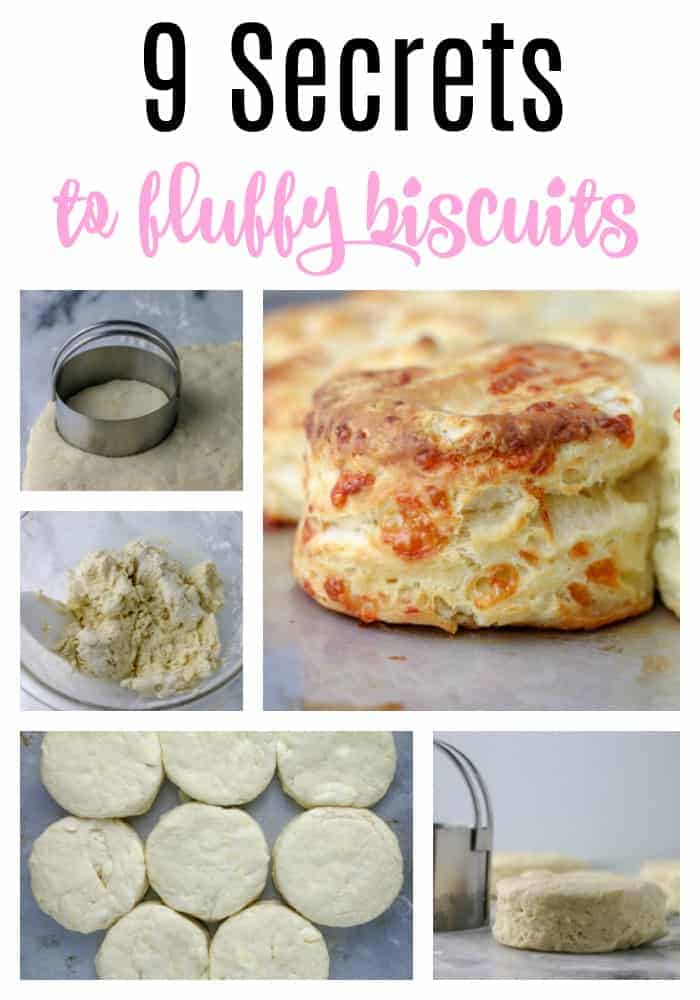
- Knead and Fold the Dough Gently: Turn the sticky dough out onto a lightly floured surface. Resist the urge to knead vigorously. Instead, gently pat the dough into a rough rectangle. Then, fold the dough over onto itself, like a letter, about 8-10 times. This repeated folding action is another crucial secret to creating those hundreds of tender, flaky layers. Each fold stacks the butter-flecked dough, setting the stage for incredible texture once baked. Again, be gentle and quick to avoid overworking the dough.
Shaping & Baking for Golden Perfection
The final steps before baking are all about careful handling and precise timing to achieve that irresistible golden exterior and fluffy interior.
- Flatten and Cut the Biscuits: After folding, gently pat the dough down with your hands until it’s about one inch thick. Using a sharp biscuit cutter, press straight down into the dough. Do not twist the cutter! Twisting can seal the edges of the biscuit, preventing it from rising tall and straight. Re-gather any scraps, gently pat them together, and cut out more biscuits. Try to handle the scraps as little as possible to maintain tenderness.
- Arrange on an Ungreased Baking Sheet: Place your cut biscuits on an ungreased baking sheet. For softer, taller biscuits with tender sides, place them relatively close together (touching). If you prefer crispier edges, space them further apart.
- Bake to Golden Brown: Position your baking sheet in the preheated 425°F oven and bake for approximately 12 to 15 minutes. The precise time can vary slightly depending on your oven, so keep an eye on them. You'll know they're done when they've risen beautifully and developed a gorgeous golden-brown crust.
Once baked, immediately remove the biscuits from the oven. Their aroma alone is intoxicating! For another fantastic recipe that guarantees those desirable flaky layers, be sure to check out our guide to Easy 6-Ingredient Homemade Biscuits: Flaky & Buttery. Serve them warm with your favorite accompaniments – a dollop of honey butter, a spoonful of homemade jam, or swimming in creamy sausage gravy. The tender, buttery interior and golden exterior are pure comfort food bliss.
Troubleshooting & Advanced Tips for Biscuit Success
- My biscuits are tough: This is almost always due to overmixing the dough or adding too much flour during the kneading/folding stage. Remember, gentle handling and minimal flour on your surface are key.
- My biscuits didn't rise: Check your baking powder – it might be old. Also, ensure your butter was truly cold and your oven was fully preheated. Twisting the biscuit cutter can also inhibit rise.
- Achieving Higher Rise: For even taller biscuits, consider stacking your folded dough in two or three layers before the final patting down and cutting. This adds more internal layers for the steam to push apart.
- Making Ahead: You can cut the biscuits and freeze them raw on a baking sheet. Once frozen solid, transfer them to an airtight bag. Bake directly from frozen, adding a few extra minutes to the baking time, often at the same 425°F temperature.
- Using Self-Rising Flour: If using self-rising flour, omit the baking powder and salt. However, many find that controlling the leavening with separate baking powder yields more consistent results.
Mastering homemade biscuits is a rewarding culinary journey. By understanding the critical role of cold butter, practicing gentle handling, and employing precise techniques like folding and not twisting the cutter, you’ll consistently create biscuits that are both unbelievably fluffy and wonderfully flaky. The payoff is a warm, tender, buttery delight that elevates any meal or snack. If you're looking for a foolproof method using all butter, our Perfect All-Butter Biscuits: Easy Recipe, No Buttermilk Needed offers another excellent approach. So, roll up your sleeves, embrace these secrets, and get ready to enjoy the unparalleled taste of truly magnificent homemade biscuits!
