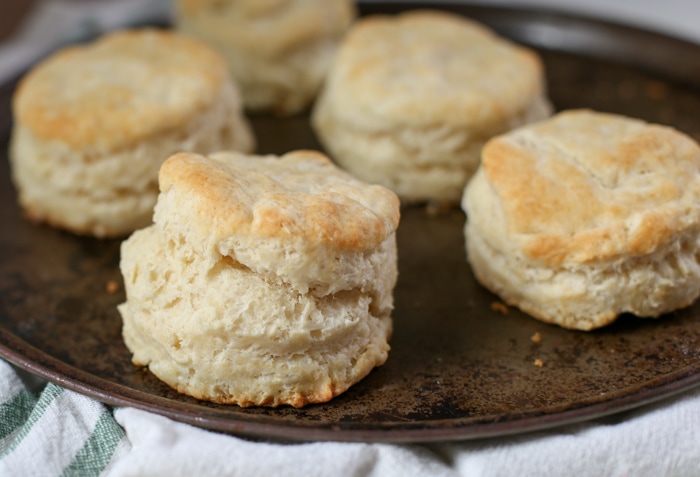
Effortless Perfection: Crafting Flaky & Buttery 6-Ingredient Homemade Biscuits
Imagine a basket of warm, golden-brown delights, fresh from your oven, their tender interiors steaming gently, ready to melt in your mouth. Many believe achieving such perfection with homemade biscuits is a daunting task, reserved for seasoned bakers. But what if we told you that the secret to truly incredible, flaky, and buttery biscuits lies in just six simple ingredients and a straightforward method? Forget complicated techniques or obscure components; this classic recipe is your passport to biscuit bliss, guaranteed to become your go-to whenever that comfort food craving strikes. For years, home bakers have sought the elusive "best homemade biscuits recipe." Through countless trials and delicious errors, a definitive method has emerged – one that consistently delivers those coveted tender, layered biscuits with a golden crust and rich, buttery flavor. This isn't just a recipe; it's a culinary revelation that proves simplicity often yields the most satisfying results.Why These 6-Ingredient Homemade Biscuits Are a Game-Changer
These aren't just *any* biscuits; they're *your* new favorite homemade biscuits. What makes this particular recipe stand out from the crowd?The Simplicity of Pantry Staples
One of the biggest hurdles to baking from scratch is often a lengthy ingredient list. This recipe strips it back to the absolute essentials: all-purpose flour, baking powder, salt, cold butter, and whole milk. You likely have these items in your kitchen right now, making impromptu biscuit baking entirely feasible. No special trips to specialty stores, just pure, unadulterated biscuit goodness waiting to happen.The Flaky, Buttery Secret: All Butter, No Buttermilk
While many traditional biscuit recipes swear by buttermilk for its tang and tenderizing qualities, this recipe proves you don't need it. By relying solely on good quality, cold butter and whole milk, you achieve a profoundly buttery flavor and incredibly flaky layers without the acidic tang. The richness of whole milk contributes to a wonderfully tender crumb, making these biscuits universally appealing. This approach to crafting Perfect All-Butter Biscuits: Easy Recipe, No Buttermilk Needed ensures a truly classic taste and texture.Unlocking the Perfect Homemade Biscuit: Ingredients & Science
Understanding *why* certain ingredients and techniques are crucial elevates your baking from following instructions to mastering a craft.The Core Six: What You'll Need
Before you begin, ensure your ingredients are ready, especially the butter!- All-Purpose Flour: The foundation of our biscuits. While all-purpose works beautifully, some Southern bakers swear by lower-protein flours like White Lily or Bob's Red Mill Fine Pastry Flour for an even softer, fluffier texture. Their lower protein content means less gluten development, which can result in a more tender biscuit.
- Baking Powder: Our primary leavening agent. It reacts with moisture and heat to create carbon dioxide bubbles, giving the biscuits their lift. Ensure your baking powder is fresh; an old, inactive one will lead to flat, dense biscuits.
- Salt: Essential for balancing and enhancing the flavors. Don't skip it!
- Cold Butter: This is arguably the most critical ingredient. We'll delve into why shortly. Use unsalted butter to control the salt content, though European-style salted butter, like Kerrygold, can impart an extra layer of richness and flavor, as noted by many expert bakers.
- Whole Milk: Provides moisture and richness. Its fat content contributes to a tender crumb, standing in perfectly for buttermilk in this recipe.
The Science of Flakiness: Why Cold Butter is King
The secret to those coveted flaky layers in homemade biscuits isn't magic; it's science. When you cut *very cold* butter into small pieces and incorporate it into the dry ingredients, these tiny pockets of butter are distributed throughout the dough. As the biscuits bake in a hot oven, the water within the butter quickly turns into steam. This steam dramatically expands, pushing apart the layers of dough and creating those airy, distinct strata that define a truly flaky biscuit. Warm butter, on the other hand, melts into the flour too readily, leading to a denser, cake-like texture rather than distinct layers. Keeping everything cold, from the butter to your hands if possible, is key to success. For more in-depth knowledge on this, explore the Secrets to Fluffy, Flaky Homemade Biscuits: Cold Butter & More.No Buttermilk? No Problem! The Whole Milk Advantage
While buttermilk is a traditional choice for many biscuit recipes, its acidity isn't always necessary for perfect results. Whole milk, with its higher fat content, contributes significantly to the tenderness and richness of these biscuits. It creates a milder, more classic flavor profile that allows the pure butteriness to shine through. The absence of buttermilk also simplifies the ingredient list, making this recipe even more accessible.Step-by-Step Guide to Your Best Homemade Biscuits Yet
With your ingredients understood and your enthusiasm high, let's walk through the simple steps to create magnificent homemade biscuits.Preparation is Key
Start by preheating your oven to a blazing 425°F (220°C). A hot oven is crucial for what bakers call "oven spring," where the dough rapidly expands, contributing to a high rise and beautiful texture. Gather your tools: a large mixing bowl, a pastry cutter (or two forks), a biscuit cutter, and an ungreased baking sheet.The Method: A Detailed Walkthrough
These steps are designed to maximize flakiness and tenderness.Step 1: Combine Dry Ingredients
In your large mixing bowl, whisk together the all-purpose flour, baking powder, and salt. Ensure they are thoroughly combined to distribute the leavening evenly.
Step 2: Incorporate the Cold Butter
This is where the magic happens! Take your very cold butter (straight from the fridge) and cut it into small, ½-inch cubes. Add these cubes to your dry ingredients. Using a pastry cutter, two forks, or even your fingertips (working quickly to avoid warming the butter), cut the butter into the flour mixture until it resembles small peas or coarse meal with some larger, lentil-sized pieces of butter remaining. These larger pieces are your ticket to extra flakiness!
Step 3: Add Whole Milk
Gradually pour about a cup of cold whole milk into the flour and butter mixture. Stir with a fork just until the dough comes together. It should be shaggy and slightly sticky, but not overly wet. Avoid overmixing here; just combine until there are no dry streaks of flour. If it seems too dry, add another tablespoon or two of milk until it reaches the right consistency.
Step 4: Knead and Fold for Layers
Lightly flour a clean work surface. Turn the dough out onto it. Gently pat the dough into a rough rectangle, then fold it over onto itself. Rotate the dough 90 degrees and repeat this pat-and-fold process about 8-10 times. This crucial step, known as laminating, builds those beautiful, tender, flaky layers without overworking the gluten, which would lead to tough biscuits. Handle the dough as little as possible.
Step 5: Cut the Biscuits
After folding, gently pat the dough out to about 1-inch thickness. Using a biscuit cutter (or a clean, sharp round cookie cutter), press straight down firmly into the dough to cut out your biscuits. Do not twist the cutter, as twisting can seal the edges and prevent the biscuits from rising properly. Reroll any scraps once or twice, stacking them gently to form more biscuits, but be aware these last few might not be as flaky.
Step 6: Bake to Golden Perfection
Place your cut biscuits on an ungreased baking sheet. You can arrange them with sides almost touching for softer, taller biscuits, or space them slightly apart for crispier edges. Bake in your preheated 425°F (220°C) oven for approximately 12-15 minutes, or until they are puffed up and gloriously golden brown on top. The exact time will vary depending on your oven.
Expert Tips for Homemade Biscuit Success
Achieving truly exceptional homemade biscuits is within reach with these additional pointers:- Don't Overwork the Dough: This is paramount. Overmixing develops gluten, leading to tough, chewy biscuits. Handle the dough gently and only as much as necessary.
- Keep Ingredients Cold: As discussed, cold butter is essential for flakiness. Keep your milk cold too! Some even chill their flour and mixing bowl.
- Use Fresh Baking Powder: Old baking powder loses its potency, resulting in flat biscuits. Test its freshness by adding a teaspoon to hot water; it should bubble vigorously.
- Straight Cuts for Even Rise: Press your biscuit cutter straight down without twisting. This allows the layers to separate cleanly and rise tall.
- Don't Grease the Baking Sheet: Biscuits release easily from an ungreased sheet, and greasing can sometimes make the bottoms too dark or greasy.
- Proximity Matters: Baking biscuits with their sides just touching can help them rise taller and produce softer edges. If you prefer crispier sides, space them further apart.
